Magnetic, Wooden or Plastic Construction Kit: What to Choose
Buying guide for UAE parents
Magnetic, wooden or plastic: which construction kit fits your child?
Walk into any toy aisle in Dubai or Abu Dhabi and you will see three big families of building sets sitting side by side. Each one teaches something slightly different. This guide breaks them down so you can pick the right kit for your child’s age and personality.
The three families at a glance
Plastic
Bright, endless and beginner-friendly
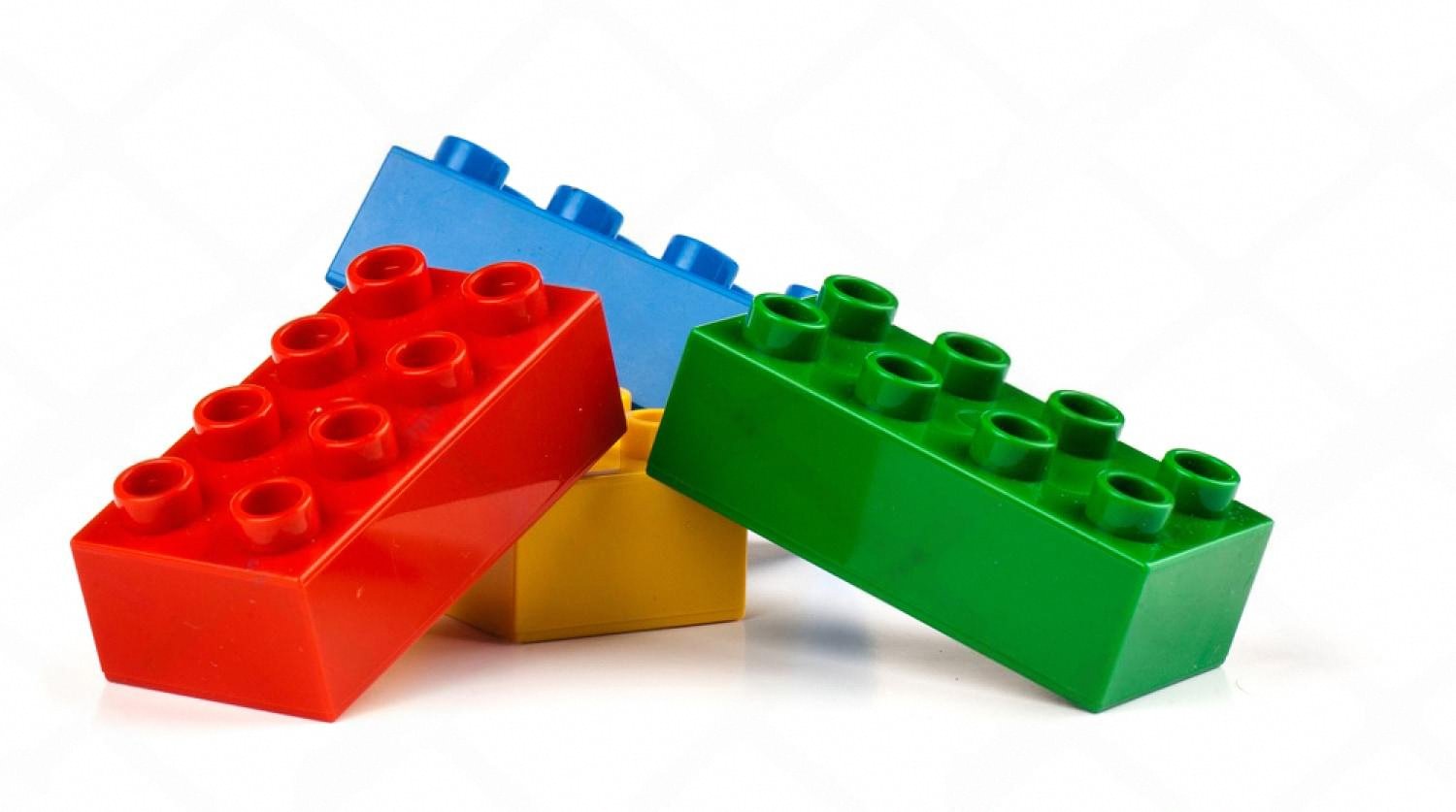
The most popular category by far. Bright colours, clear instructions and enough pieces to build a tower, a house, an animal pen or anything else your child dreams up.
Wooden
Quiet, tactile and focused
Wooden blocks usually have no locking mechanism, so every piece has to be placed carefully. Great for patient builders who enjoy balancing and stacking.
Magnetic
Open-ended and 3D-friendly
Magnetic tiles snap together at any angle, so kids can build flat mosaics, tall towers, stars, hearts or animal shapes without any frustration.
What they all do
Real developmental value
Every construction kit trains fine motor control, spatial reasoning and creativity. The only question is which style suits your child’s temperament and age.
The classic choice
Plastic kits: the safe bet for most kids
Plastic construction sets stay popular for a reason. The pieces click together firmly, the colours are eye-catching and a single box gives your child a whole toolbox of possibilities: a tower one day, a small house the next, then a pen for their toy animals. Once they master a few basic connections, the rest is just imagination.
The one thing to watch is piece size, and it matters more than most parents expect. Plastic kits are not one-size-fits-all.
- Ages 1 to 3: stick to the largest pieces, the kind that fit a whole toddler fist. No swallowing risk, no frustration.
- Ages 3 to 4: mid-sized bricks are ideal. Still chunky, but fine enough for real designs.
- Ages 6 and up: the tiniest studs and detailed sets, safe only for children who will definitely not put pieces in their mouths.
If you are shopping around Dubai or Sharjah, check age labels on the box rather than trusting the picture on the front. A well-stocked toy store in the UAE will usually group sets by age band, which makes the decision quicker.
Slow play
Wooden kits: for the careful builder
Wooden construction sets work differently. There are no studs, no magnets, no locking clips. Every piece stays where it is placed only because your child balanced it there. That single fact changes the whole play session.
Kids who love wooden blocks tend to be the ones who enjoy the process as much as the finished object. They concentrate longer, work more slowly and learn a physical kind of patience that plastic sets don’t always ask for. According to the long history of wooden blocks in early education this quiet, focused style of play has been used in kindergartens for well over a century.
Wooden kits are not for every child. If yours knocks the tower down before it is finished and laughs about it, they might be happier with a set that clicks together. And that is fine, there is no wrong choice, only a wrong match.
If your child is under three, choose the kit with the biggest pieces you can find. If your child is over six, choose the kit that inspires the wildest ideas. Everything in between is personality.
Imagination on rails
Magnetic kits: the biggest playground for creativity
Magnetic tiles are the newest of the three families and probably the most flexible. Because the magnets pull pieces into place from any angle, children can build shapes that are hard or impossible with bricks: hearts, stars, hollow spheres, houses with proper pitched roofs, animals that stand up on their own.
Pieces come in different sizes and shapes: squares, triangles, arches, hexagons. That variety is what unlocks the imagination. A four-year-old who gives up on a plastic model kit will often keep building with magnets for another half hour, simply because there is no wrong way to connect the pieces.
Matching the kit to your child
Under 3? Go big and plastic
Large-piece plastic sets, or oversized magnetic tiles from a trusted brand. Small parts are a no.
3 to 6? Mix magnetic and plastic
This is the sweet spot for both categories. Kids can copy instructions or invent freely.
6 and up? Add wooden and detailed sets
Older children can handle small pieces and enjoy the slower, engineering-style challenge of wooden blocks.
A few practical tips before you buy
- Check the age label, not the picture. Boxes in UAE stores usually carry both EU and GCC age markings. Trust them.
- Storage matters. A tub with a lid extends the life of any set. Pieces that get lost under the sofa never come back.
- Start small and expand. Buy a base set first. If your child actually plays with it for two weeks, then invest in add-ons.
- Combine categories over time. A home with one plastic set, one magnetic set and a small bag of wooden blocks covers every mood your child will have.
Frequently asked questions
Which construction kit is best for a two-year-old in the UAE?
Stick with large-piece plastic sets or oversized magnetic tiles designed for toddlers. Pieces should be big enough that a small child cannot fit them in their mouth. Skip anything labelled for ages three and up until your child is genuinely past the mouthing stage.
Are magnetic construction kits safe for young children?
Reputable magnetic tile sets seal the magnets inside sturdy plastic frames, which is safe for supervised play from around age three. What you must avoid is loose neodymium magnet balls, which are a serious swallowing hazard and are restricted in many countries. Always buy magnetic sets from a known brand rather than an unlabelled market stall.
Do wooden blocks still make sense when plastic and magnetic kits exist?
Yes, because they teach something different. Wooden blocks reward balance, patience and careful placement, since nothing snaps together for you. Many child development specialists still recommend a basic set of wooden blocks alongside more modern kits, precisely because the two styles of play complement each other.
How many pieces does a good starter set need?
For toddlers, 30 to 50 large pieces is plenty. For ages four to six, look for 80 to 150 pieces so your child can build something reasonably tall or wide without running out. Adding more later is easy, most brands sell expansion packs.
Can construction kits really help child development?
They genuinely do. Building with blocks trains fine motor skills, spatial reasoning, planning and problem solving. It also gives kids a quiet, screen-free activity that they choose themselves, which is increasingly rare. The category of kit matters less than the fact that your child returns to it willingly.
Should I buy branded sets or generic ones?
For very young children, spend the extra dirhams on a known brand. Piece quality, magnet strength and safety testing are noticeably better. For older kids who mostly want quantity, a well-reviewed generic set can be a smart, cheaper choice, especially for expansion pieces.